MBBS UG Anatomy & Physiology: High-Yield Topics You Can't Afford to Skip
26 January 2026 · 8 min read
Anatomy and Physiology are the two subjects almost every clinician says they wish they'd studied more carefully in first year. They're also the two subjects most first-year students underestimate, because the sheer volume makes it tempting to skim rather than master.
Both subjects are foundational — nearly every clinical subject in the following three years assumes you already know this content cold. The topics below are the ones that consistently show up across theory, practicals, and viva, and are worth mastering rather than merely covering.
1. Upper and Lower Limb (Anatomy)
Limb anatomy is a perennial favorite in viva and practical stations because it combines osteology, muscles, nerves, and blood supply into one testable region. Understanding nerve injuries (like the clinical presentation of a radial or common peroneal nerve injury) tends to be one of the highest-yield ways to connect pure anatomy to something memorable and clinically relevant.
How to study it
2. Thorax and Abdomen (Anatomy)
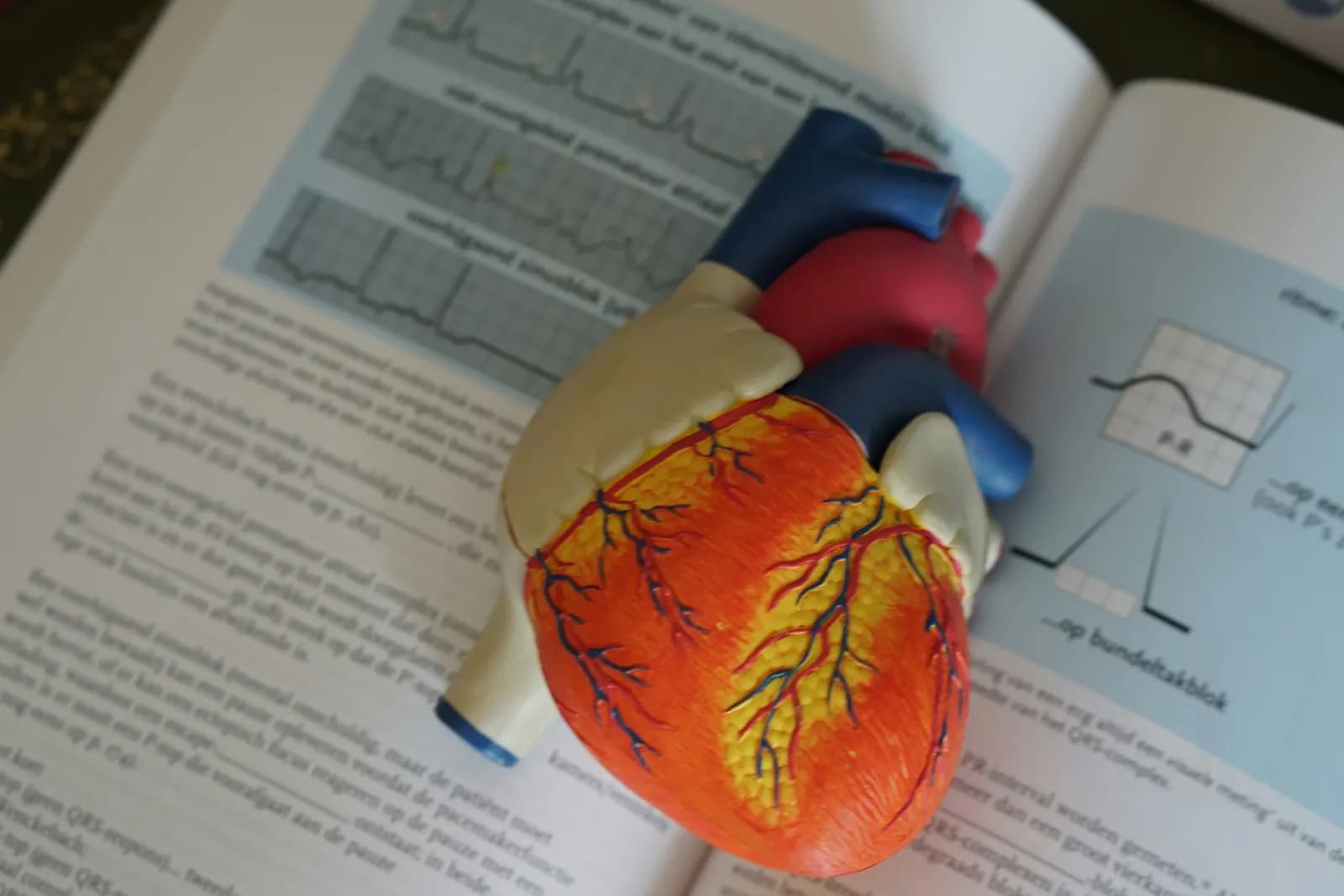
These regions carry significant viva weight because they combine anatomy with physiology and pathology in ways that are hard to fake — the heart, great vessels, lungs, and abdominal viscera all have well-defined relations that examiners like to test through radiographs, models, and cadaveric specimens.
3. Cardiovascular Physiology
The cardiac cycle, blood pressure regulation, and cardiac output are foundational concepts that resurface constantly in later clinical years — understanding them properly in first year makes Medicine and Cardiology rotations significantly easier down the line. This is one of the clearest examples of "study it once, properly, and benefit for years."
4. Renal Physiology
Renal physiology has a reputation for being dense, but it's built almost entirely on a handful of core mechanisms — filtration, reabsorption, secretion, and the countercurrent mechanism. Students who draw out the nephron and trace each process step by step tend to retain this chapter far longer than those who try to memorize values and formulas in isolation.
5. Nerve-Muscle Physiology
Action potentials, neuromuscular transmission, and muscle contraction are conceptually dense but mechanism-based, which means understanding the sequence of events matters far more than memorizing definitions. This chapter also underpins Pharmacology topics you'll meet in second year, particularly around neuromuscular blocking drugs.
Students who score consistently well in Anatomy and Physiology aren't the ones who memorized more facts — they're the ones who can explain a structure or mechanism out loud, unprompted, the way a viva examiner expects.
How to Prioritize If You're Short on Time
- Master limb and cardiovascular content first — both carry disproportionate viva weight and both feed directly into later clinical subjects.
- Don't leave renal physiology for the very end — it's easy to underestimate how much it holds until you sit down to revise it.
- Use nerve-muscle physiology as a bridge topic — revisiting it briefly before starting Pharmacology in second year pays off later.
The Real Skill Is Retention, Not Coverage
Almost every first-year student covers these topics at least once before their exam. What separates a comfortable pass from genuine mastery is whether you can still explain the countercurrent mechanism or trace the brachial plexus correctly a full year later, in a clinical viva. That's a revision and rehearsal problem, not a first-pass learning problem — which is exactly why structured, spaced revision matters more in Anatomy and Physiology than in almost any other MBBS UG subject.
Want a Mentor Reviewing Your Prep Like This?
Helping MBBS pairs you with real doctor mentors, structured revision, and mock exams built for MBBS UG.
Get Started